How to Eat Healthy on a Budget: 15 Strategies to Save Money Without Sacrificing Nutrition
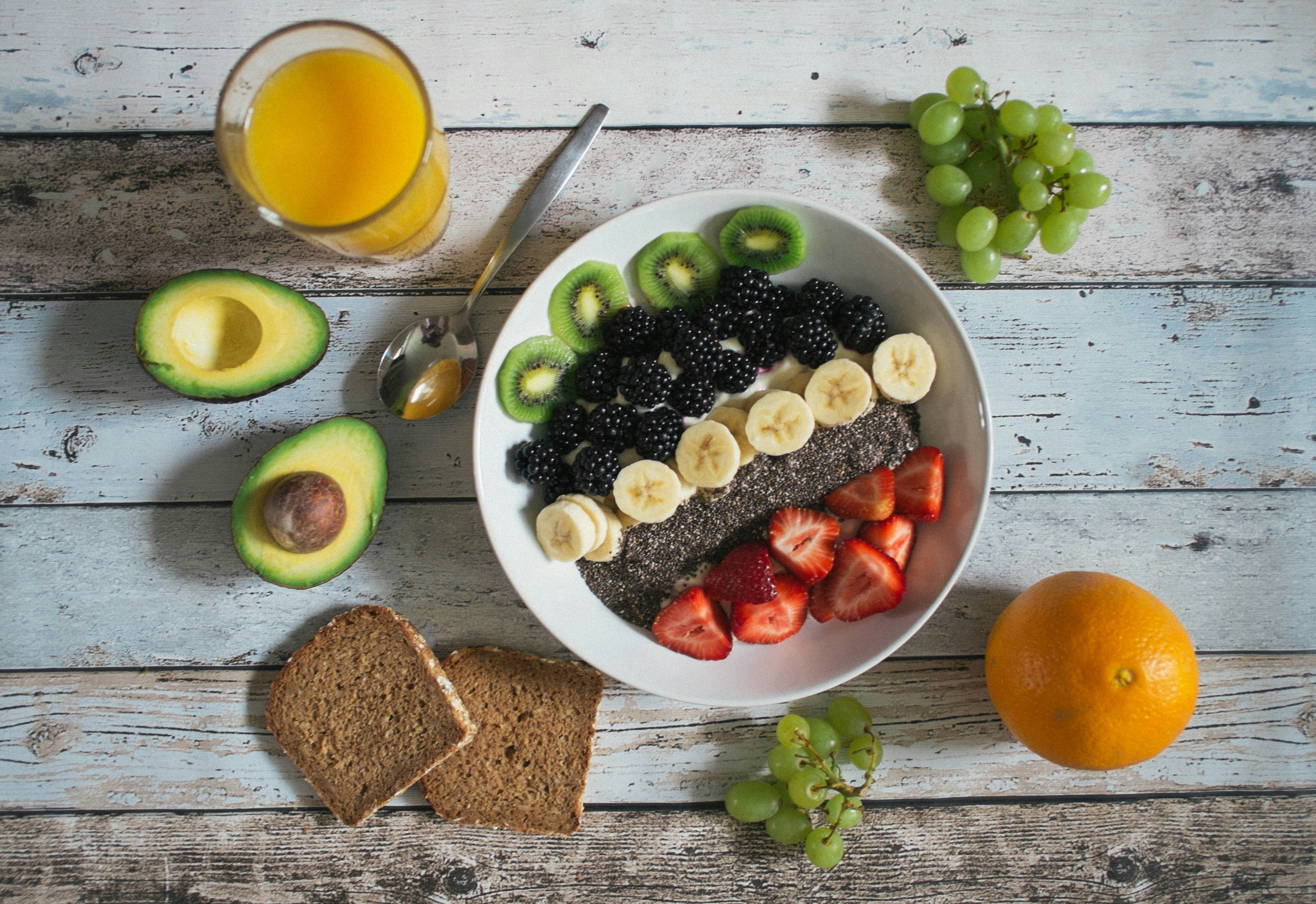
The number one excuse for not eating healthy is cost. And it's understandable — organic avocados and wild-caught salmon aren't cheap. But here's what the data actually shows: a Harvard study found that a healthy diet costs only about $1.50 more per day than an unhealthy one. That's less than a cup of coffee. With the right strategies, you can close that gap entirely.
The Myth of Expensive Healthy Eating
The perception that healthy food is expensive comes from comparing the worst budget options (ramen, fast food dollar menus) with the most premium healthy options (organic everything, specialty health foods). But the middle ground is vast and affordable.
"The cheapest foods in any grocery store are actually some of the healthiest," notes registered dietitian Amanda Baker. "Rice, beans, oats, eggs, frozen vegetables, and bananas are nutritional powerhouses that cost pennies per serving."
The 15 Budget Nutrition Strategies
1. Buy Frozen Vegetables (Not Fresh)
Frozen vegetables are flash-frozen within hours of harvest, locking in nutrients. They're often more nutritious than "fresh" produce that spent weeks in transit. A 1-pound bag of frozen broccoli costs $1-2 and provides 5-6 servings. Fresh broccoli at $2-3/lb gives you the same nutrition at a higher price with a shorter shelf life.
2. Embrace Beans and Lentils
At $0.10-0.15 per serving, dried beans and lentils are the cheapest source of protein and fiber on the planet. One pound of dried black beans costs under $2 and yields approximately 12 servings. They're also packed with iron, folate, and potassium.
3. Buy Whole Chickens, Not Breasts
A whole chicken costs $1.00-1.50/lb versus $3-4/lb for boneless breasts. Roast it Sunday, eat the breasts Monday-Tuesday, use thighs Wednesday-Thursday, and make bone broth from the carcass for soups Friday. One $7 chicken feeds a family for nearly a week.
4. Oats Are the Ultimate Budget Breakfast
A 42-oz container of old-fashioned oats costs $3-4 and provides 30 servings — about $0.12 per breakfast. Add a banana ($0.06) and a tablespoon of peanut butter ($0.10), and you have a complete, nutritious breakfast for under $0.30.
5. Eggs: Nature's Cheapest Multivitamin
At $0.20-0.30 per egg, you get 6g of complete protein, choline, vitamin D, B12, and selenium. Three eggs for breakfast cost less than $1 and provide 18g of highly bioavailable protein.
6. Rice in Bulk
A 20-pound bag of rice costs $10-15 and provides approximately 200 servings. That's $0.05-0.08 per serving of complex carbohydrates. Brown rice adds fiber and B vitamins for marginally more cost.
7. Seasonal Produce Only
Strawberries in December cost 3x what they cost in June. Eat what's in season: apples and squash in fall, citrus in winter, berries in summer. Seasonal produce is cheaper, fresher, and more nutritious.
8. Store Brand Everything
Store brands (Great Value, Kirkland, 365) are manufactured in the same facilities as name brands in many cases. The nutritional content is identical. Switching to store brand across your entire grocery list saves 25-40%.
9. Cook in Batches
Cooking a large pot of chili, soup, or curry costs the same in energy as cooking a single serving but yields 6-8 meals. Batch cooking is the single biggest time and money saver in the kitchen.
10. Canned Fish Is Underrated
Canned sardines, mackerel, and salmon provide omega-3 fatty acids, protein, and calcium at a fraction of fresh fish prices. A can of wild-caught salmon costs $2-3 and provides two servings of premium protein.
11. Grow Herbs at Home
Fresh herbs at the store cost $2-3 per tiny package. A $3 basil plant produces herbs for months. Parsley, cilantro, mint, and rosemary all grow easily in a windowsill pot and transform budget meals into restaurant-quality dishes.
12. Never Shop Hungry
Studies show that hungry shoppers spend 64% more on food and choose more high-calorie, processed items. Eat before you shop — this single habit saves $20-30 per trip.
13. Plan Meals Around Sales
Check your store's weekly circular before planning meals. If chicken thighs are on sale, plan chicken-based meals. If ground turkey is discounted, make turkey chili and turkey meatballs. Flexibility saves money.
14. Reduce Food Waste
The average American household wastes $1,500 worth of food annually. Meal planning eliminates most waste by ensuring you buy only what you'll eat. Use vegetable scraps for broth, freeze bread before it goes stale, and repurpose leftovers creatively.
15. Use a Meal Planning Service
A good meal planning service pays for itself by eliminating food waste, reducing impulse purchases, and optimizing your grocery list. When every ingredient has a purpose and every meal is planned, your food budget becomes remarkably efficient.
Sample Budget Day of Eating ($5-7 Total)
- Breakfast: Oatmeal with banana and peanut butter — $0.30
- Lunch: Black bean and rice bowl with frozen vegetables and salsa — $1.20
- Snack: 2 hard-boiled eggs and an apple — $0.80
- Dinner: Roasted chicken thigh with sweet potato and steamed broccoli — $2.50
- Total: ~$4.80 for a day of nutritious, satisfying meals
Healthy eating on a budget isn't about deprivation — it's about strategy. The cheapest foods in the grocery store happen to be some of the most nutritious. You just need a plan.