How to Lose Weight the Right Way: A Science-Based Guide to Sustainable Fat Loss
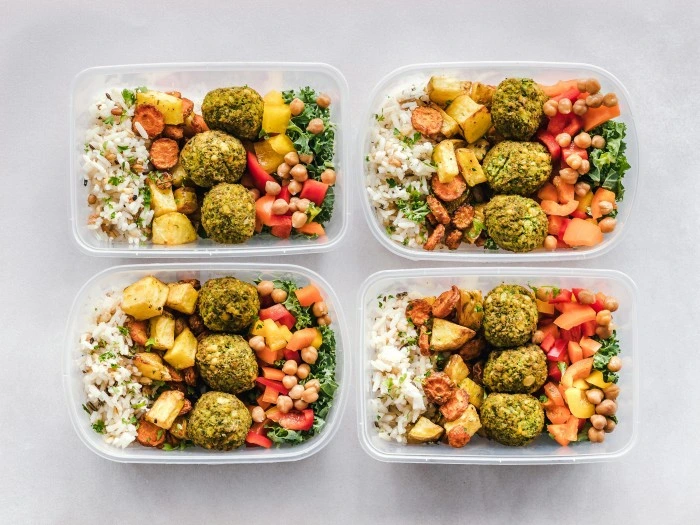
The weight loss industry is worth over $250 billion globally, yet obesity rates continue to climb. The problem isn't a lack of information — it's a flood of misinformation. Crash diets, detox teas, and "one weird trick" approaches fail because they ignore the fundamental biology of sustainable fat loss. Here's what actually works, according to decades of metabolic research.
Why Most Diets Fail (And What to Do Instead)
A landmark study published in the American Journal of Clinical Nutrition tracked dieters over five years and found that 80% regained all lost weight — and often more. The primary reasons:
- Too aggressive a deficit — Cutting calories too drastically triggers metabolic adaptation, increased hunger hormones, and muscle loss
- No exit strategy — Most diets have an end date but no plan for maintenance
- Muscle loss — Without resistance training and adequate protein, up to 25% of weight lost comes from lean tissue, lowering metabolic rate
- All-or-nothing thinking — One "bad" meal leads to abandoning the entire approach
"The best diet is one you can sustain for life," notes Dr. Layne Norton, PhD in Nutritional Sciences. "If your approach requires superhuman willpower, it has an expiration date."
Step 1: Calculate Your Actual Calorie Needs
Fat loss requires a calorie deficit — consuming fewer calories than you burn. But the size of that deficit matters enormously:
- Mild deficit (10-15%) — Best for those with less weight to lose, or anyone prioritizing muscle retention. Slower but highly sustainable
- Moderate deficit (20-25%) — The sweet spot for most people. Produces noticeable results (0.5-1 lb/week) while preserving energy and muscle
- Aggressive deficit (30%+) — Only appropriate short-term for significantly overweight individuals under medical supervision
To find your maintenance calories, multiply your body weight in pounds by 14-16 (14 for sedentary, 16 for active). Then subtract your chosen deficit percentage. For example, a moderately active 180-pound person: 180 × 15 = 2,700 maintenance calories. A 20% deficit = 2,160 calories per day.
Step 2: Prioritize Protein
Protein is the single most important macronutrient for fat loss. It:
- Preserves muscle mass during a calorie deficit
- Has the highest thermic effect — your body burns 20-30% of protein calories just digesting it (vs. 5-10% for carbs, 0-3% for fat)
- Is the most satiating macronutrient — keeping you fuller longer and reducing cravings
Aim for 0.7-1 gram of protein per pound of body weight daily. For our 180-pound example, that's 126-180 grams of protein per day. Distribute this across 3-4 meals for optimal muscle protein synthesis.
Best Protein Sources for Fat Loss
- Chicken breast (31g protein per 100g, very lean)
- Greek yogurt (15-20g per serving)
- Eggs (6g each, highly bioavailable)
- Fish and seafood (20-25g per 100g)
- Lean beef (26g per 100g)
- Lentils and beans (excellent plant-based options)
- Whey protein powder (convenient for hitting targets)
Step 3: Resistance Training Is Non-Negotiable
Cardio burns calories, but resistance training preserves the metabolic engine — your muscle mass. During a calorie deficit, your body will break down muscle for energy unless you give it a strong signal to keep it. That signal is progressive resistance training.
A minimum effective dose: 3 sessions per week, hitting all major muscle groups, with progressive overload (gradually increasing weight or reps over time). This alone can be the difference between losing mostly fat versus losing a mix of fat and valuable muscle tissue.
Step 4: Sleep and Stress Management
A study in the Annals of Internal Medicine found that sleep-deprived dieters lost 55% less fat and 60% more muscle compared to well-rested dieters — eating the exact same calories. Sleep deprivation increases cortisol, ghrelin (hunger hormone), and insulin resistance while decreasing leptin (satiety hormone) and willpower.
Prioritize 7-9 hours of quality sleep. Manage stress through regular exercise, time in nature, social connection, or meditation. These aren't luxuries — they're metabolic necessities.
Step 5: Track, Adjust, and Be Patient
Weigh yourself daily but only look at weekly averages. Daily weight fluctuates 2-5 pounds due to water, sodium, food volume, and hormones. The weekly trend is what matters.
If your weekly average isn't trending down after 2-3 weeks, reduce calories by another 100-200 per day. If you're losing more than 1% of body weight per week, you're likely losing muscle — increase calories slightly.
The Meal Planning Advantage
People who meal plan are 2-3x more likely to maintain a healthy weight, according to research from the International Journal of Behavioral Nutrition. When your meals are pre-planned and portioned, hitting your calorie and protein targets becomes automatic rather than a daily struggle.
Sustainable fat loss isn't about restriction — it's about structure. A moderate deficit, adequate protein, resistance training, quality sleep, and a meal plan you enjoy. That's the formula that works not just for months, but for life.