How to Stay Hydrated: Water Intake, Electrolytes, and Why Dehydration Ruins Your Performance
Water makes up 60% of your body weight, 75% of your muscle tissue, and 85% of your brain. Even mild dehydration — as little as 2% body weight loss — impairs cognitive function, physical performance, and mood. Yet studies suggest 75% of Americans are chronically under-hydrated. Here's how to fix that.
How Much Water Do You Actually Need?
The old "8 glasses a day" rule is a rough estimate that works for some people but falls short for many. A more accurate approach:
- Baseline: Drink half your body weight in ounces daily. A 160-pound person needs approximately 80 oz (2.4 liters)
- Add for exercise: 16-24 oz for every hour of moderate exercise
- Add for heat/humidity: An additional 16 oz on hot days or in heated indoor environments
- Add for caffeine: While caffeine is a mild diuretic, you don't need to match cup-for-cup. Adding 4-8 oz per caffeinated beverage is sufficient
"The simplest hydration test is urine color," explains Dr. Stacy Sims, exercise physiologist and hydration researcher. "Pale straw yellow means you're well-hydrated. Dark yellow or amber means you need to drink more. Clear means you might be over-hydrating and flushing electrolytes."
Signs of Dehydration You Might Be Ignoring
Many symptoms commonly attributed to other causes are actually dehydration:
- Afternoon fatigue and brain fog — Often blamed on lunch or poor sleep, but frequently caused by cumulative dehydration throughout the morning
- Headaches — Dehydration is the most common trigger for tension headaches
- Hunger between meals — The hypothalamus regulates both thirst and hunger. Dehydration signals are often misinterpreted as hunger
- Poor workout performance — A 2% drop in hydration reduces endurance by up to 25% and strength by 10-15%
- Constipation — Your colon absorbs water from food waste. Insufficient hydration leads to harder, less frequent stools
- Dry skin and lips — External moisturizers help, but hydration starts from within
Electrolytes: Why Water Alone Isn't Enough
Water follows electrolytes. Without adequate sodium, potassium, and magnesium, your body can't properly absorb and retain the water you drink. This is why you can drink large amounts of plain water and still feel dehydrated.
Key Electrolytes and Their Roles
- Sodium — The primary electrolyte for fluid retention and nerve function. Most active people need 2,000-3,000mg daily (more if sweating heavily). Don't fear salt if you're active and eating whole foods
- Potassium — Works with sodium to maintain fluid balance. Found in bananas, potatoes, avocados, and leafy greens. Target: 3,500-4,700mg daily
- Magnesium — Involved in 300+ enzymatic reactions including muscle function and sleep quality. Found in nuts, seeds, dark chocolate, and leafy greens. Target: 400-600mg daily
When to Use Electrolyte Supplements
- Workouts lasting longer than 60 minutes
- Heavy sweaters (you can tell by salt stains on clothing)
- Hot weather or heated environments
- Low-carb or ketogenic diets (which increase electrolyte excretion)
- First thing in the morning after 7-8 hours without fluids
Hydration Strategies That Actually Work
- Front-load your water — Drink 16-20 oz within 30 minutes of waking. You wake up dehydrated after hours without fluids
- Keep water visible — A water bottle on your desk increases consumption by 25-50% compared to water in another room
- Set interval reminders — Drink 8 oz every hour during work hours. By 5 PM, you've consumed 64 oz without thinking about it
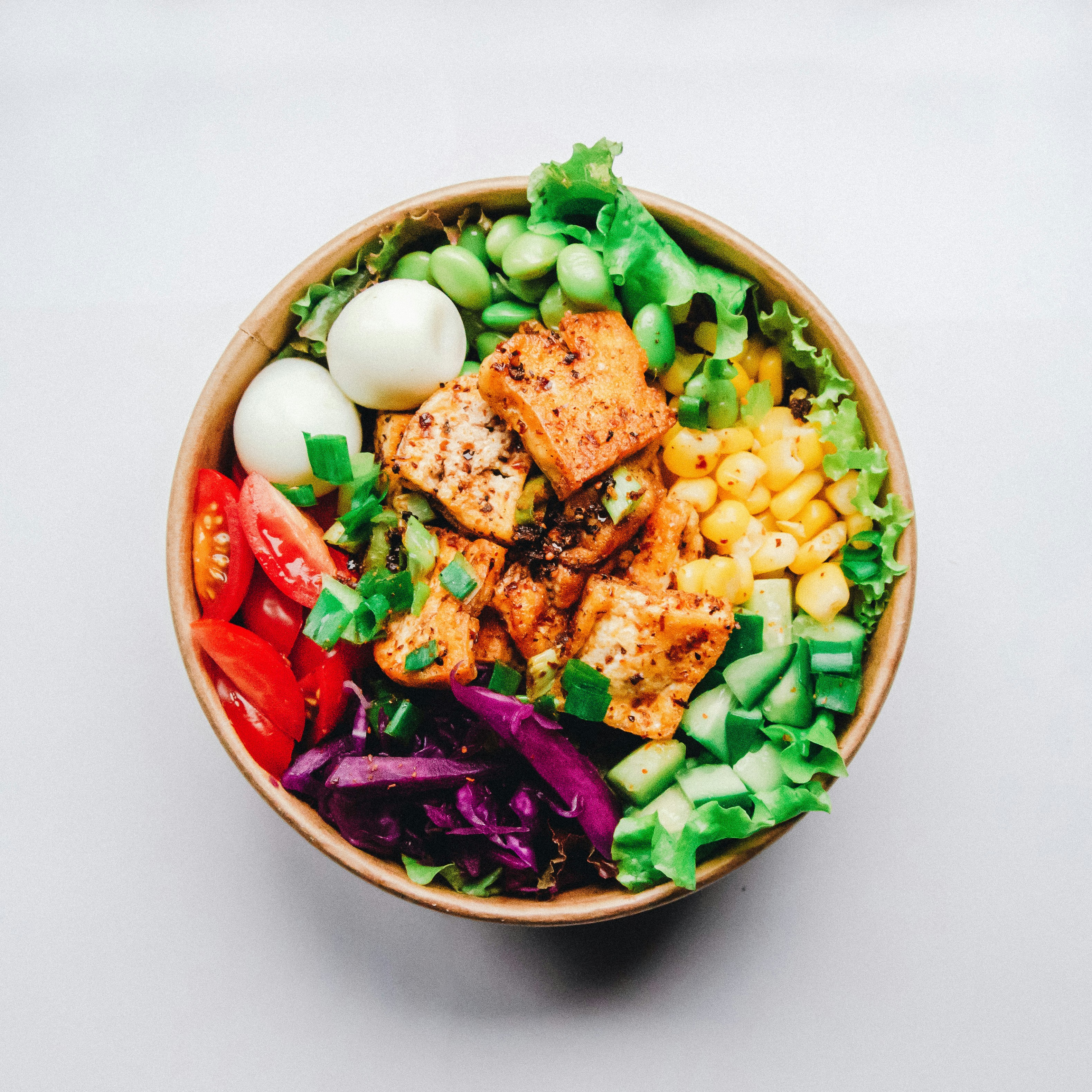
- Eat your water — Cucumbers (96% water), watermelon (92%), strawberries (91%), and lettuce (96%) contribute significantly to hydration
- Pre-hydrate before exercise — Drink 16 oz 2 hours before and 8 oz 15 minutes before training
- Add a pinch of salt to water — Improves absorption and retention without noticeable taste change
Hydration and Nutrition: The Connection
Proper hydration directly impacts your nutrition in several ways:
- Appetite regulation — Drinking water before meals reduces calorie intake by 75-90 calories per meal
- Nutrient absorption — Water is essential for digesting food and transporting nutrients to cells
- Metabolism — Even mild dehydration reduces metabolic rate by 2-3%
- Meal prep success — Hydrated brains make better food decisions and have more energy for cooking
Hydration is the simplest, cheapest, and most impactful health habit you can build. Start with a glass of water right now, and build from there.